Cruise activity ramps up as temperatures become comfortable and crowds remain manageable. May is one of the strongest months for balancing weather and availability.
Plan Your Marseille Cruises | Timings, Routes & Tips
Marseille Cruises at a glance
When to book: Same-day bookings are often possible outside summer, but July–August departures and sunset cruises frequently sell out. For summer travel, book 3–7 days ahead; for sunset and dinner cruises, book earlier.
Time on the water: Experiences range from 2.5-hour Frioul cruises to 7-hour Calanques sailing trips. The biggest driver is cruise type, not distance.
What's included: Boat transportation, crew, and sightseeing are standard. Swimming, snorkeling equipment, meals, drinks, and island stops depend entirely on the cruise selected.
What changes the experience most: Route choice. A Calanques cruise focuses on scenery, a Frioul cruise focuses on islands, and a sunset cruise focuses on atmosphere.
If weather cancels: Strong winds and rough seas can affect routes, swimming stops, and Château d'If access. Most operators offer refunds or rescheduling if they cancel the departure.
Which Marseille cruise should you book?
| Cruise type | What it is | Duration | Best for |
|---|---|---|---|
Calanques Boat Tour | Small-group boat with swimming and coastal sightseeing | 4.5–7 hrs | Seeing the Calanques without committing to sailing |
Calanques Sailing Cruise | Traditional sailing experience with lunch and swimming | 7 hrs | Spending a full day on the Mediterranean |
Frioul & Château d'If Cruise | Island scenery, swimming coves, and fortress views | 2.5–7 hrs | Combining history and island landscapes |
Sunset Dinner Cruise | Evening sailing with food, drinks, and sunset views | 3.5 hrs | A memorable evening on the water |
Marseille City Guided Tour | Walking experience covering Marseille landmarks | 2–4 hrs | Exploring beyond the coastline |
When is the best time for a Marseille cruise?
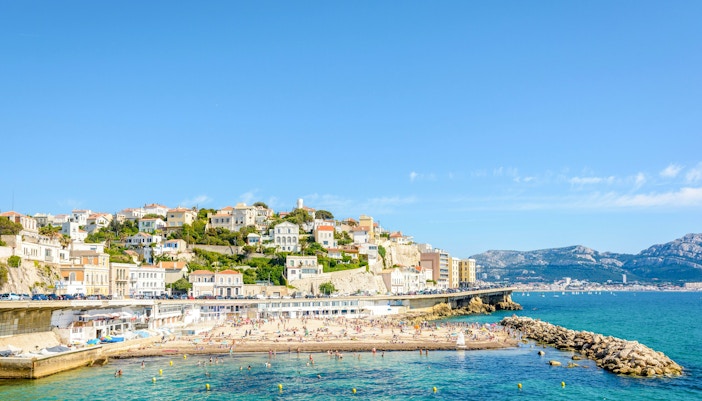
Spring (March–May)
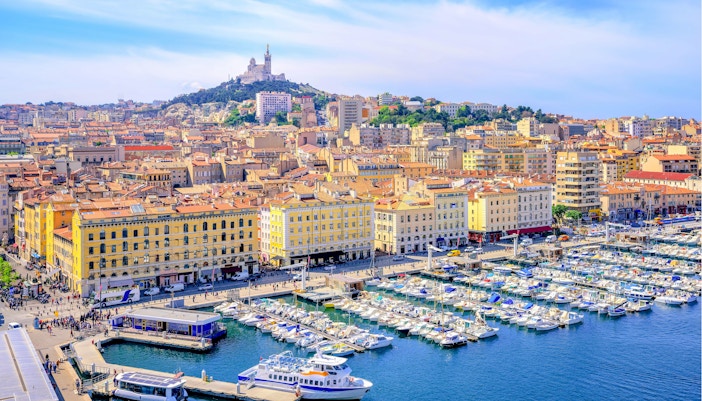
Early Summer (June)
Warm weather, calm seas, and almost every route operating daily. You'll get peak-season conditions without peak-season crowd levels.
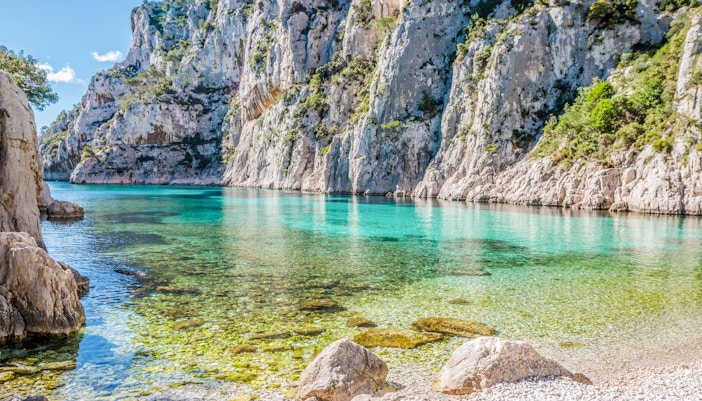
Peak Summer (July–August)
Best for swimming, snorkeling, and sunset cruises. Also the busiest period, with some departures selling out days in advance. Expect higher temperatures and larger crowds.
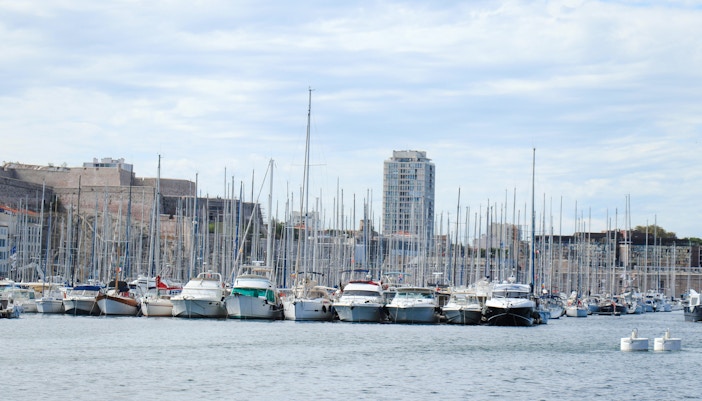
Shoulder Season (September–October)
Still warm enough for many water activities, but with fewer visitors. This is often the most balanced time to visit Marseille's coastline.
Winter (November–February)
Limited departures and a greater chance of weather-related disruptions. Better suited to harbor sightseeing than swimming-focused experiences.
💡 Pro tip: If swimming is important, prioritize June through September. If scenery and photography matter more than swimming, May and September often deliver the best balance of weather, light, and crowd levels.
Where do Marseille cruises depart from?
Most Marseille cruises depart from the Vieux-Port, but not every operator uses the same quay. One of the most common causes of missed departures is arriving at the wrong boarding point. Always check the exact departure location listed on your ticket rather than relying on "Vieux-Port" alone.
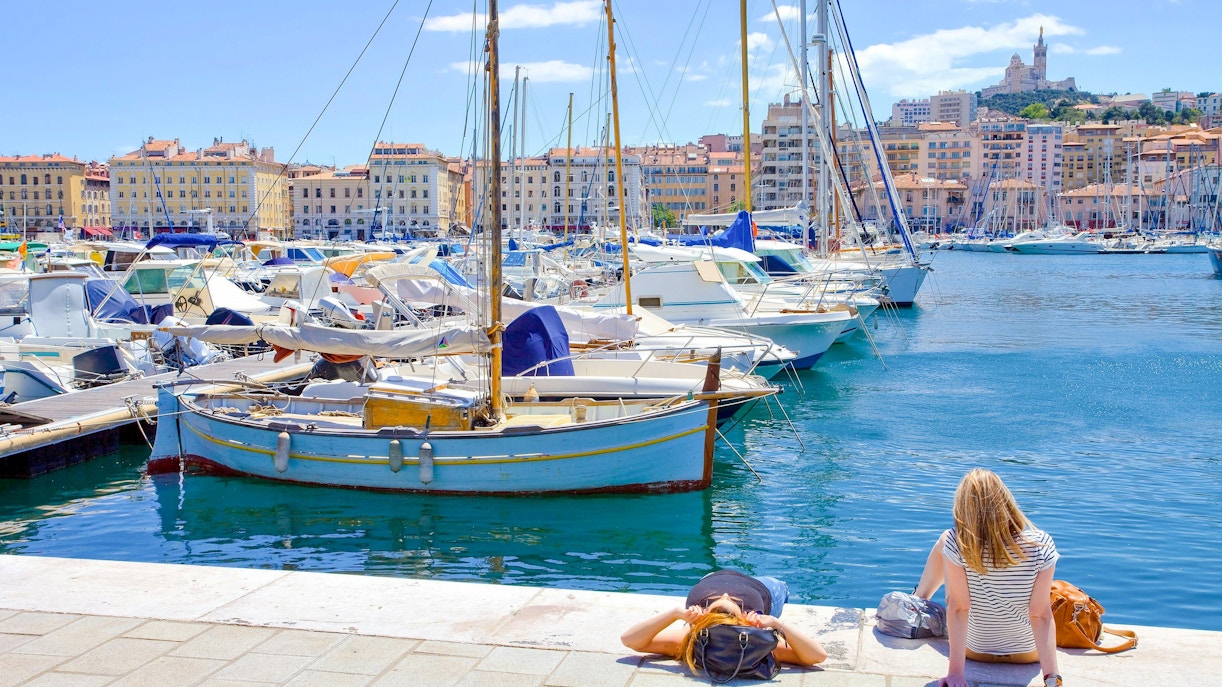
The Old Port is the main departure area for sightseeing cruises, Frioul boats, Château d'If routes, and many Calanques excursions. It's also the easiest boarding point for most visitors staying in central Marseille.
Best for:
- First-time visitors
- Visitors staying in central Marseille
- Frioul and Château d'If departures
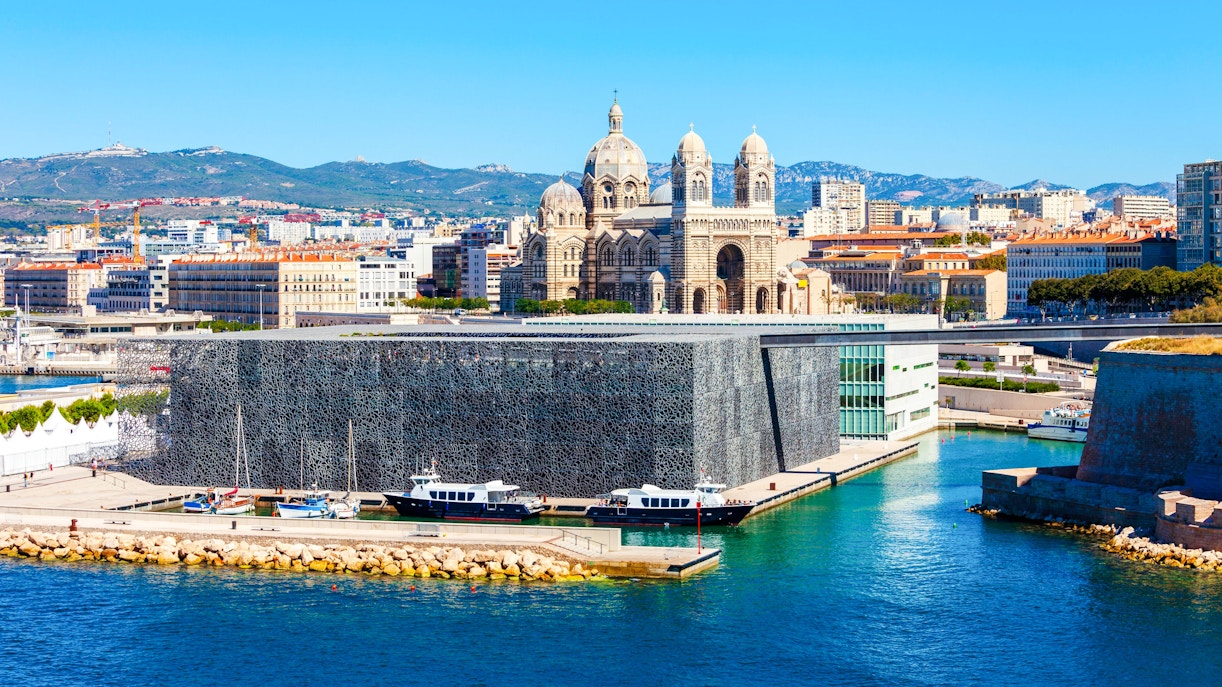
A smaller number of catamarans and premium boats use departure points near MuCEM and the CNTL harbor area. These departures are usually operator-specific.
Best for:
- Selected premium departures
- Catamaran experiences
- Small-group routes
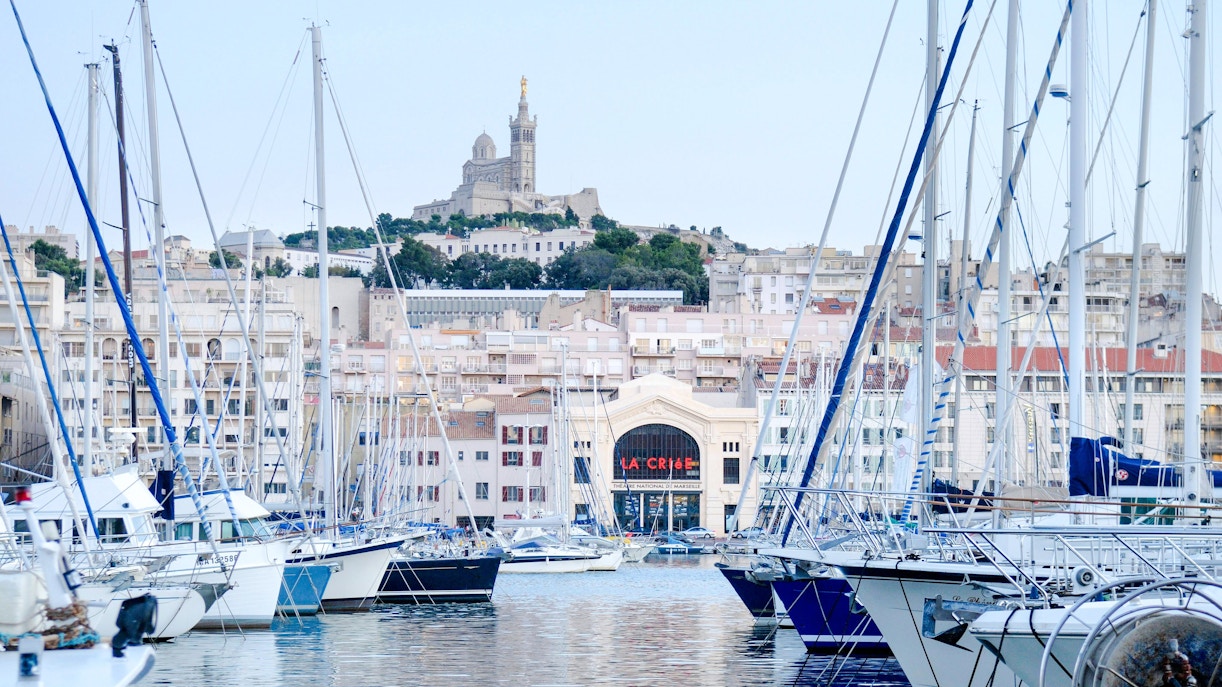
La Criée Theater
Located on the southern side of Vieux-Port, La Criée Theater is one of the main boarding points for several Calanques, Frioul, and sunset cruise departures. Its central waterfront location makes it easy to reach on foot from most areas around the Old Port.
Best for:
- Calanques boat tours
- Frioul & Château d'If cruises
- Sunset boat departures
- Visitors staying near Vieux-Port
What actually happens on a Marseille cruise?
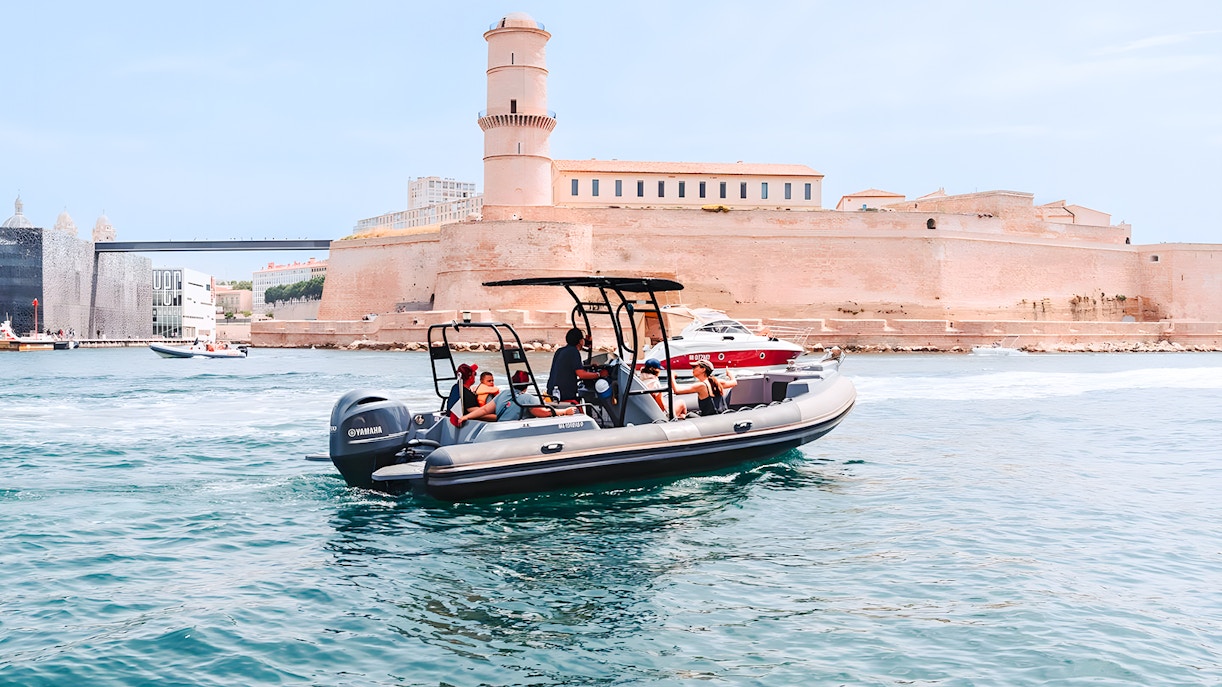
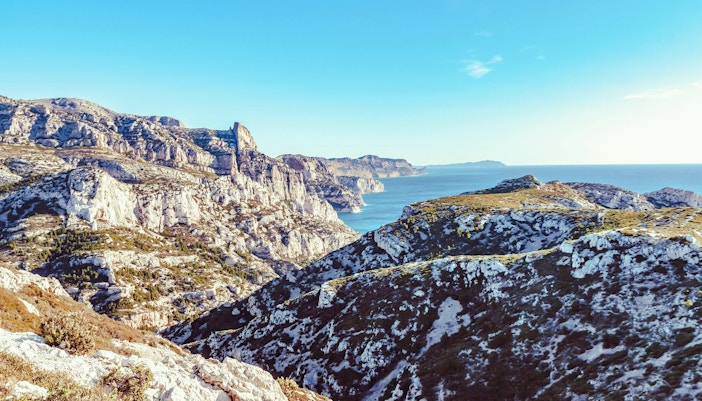
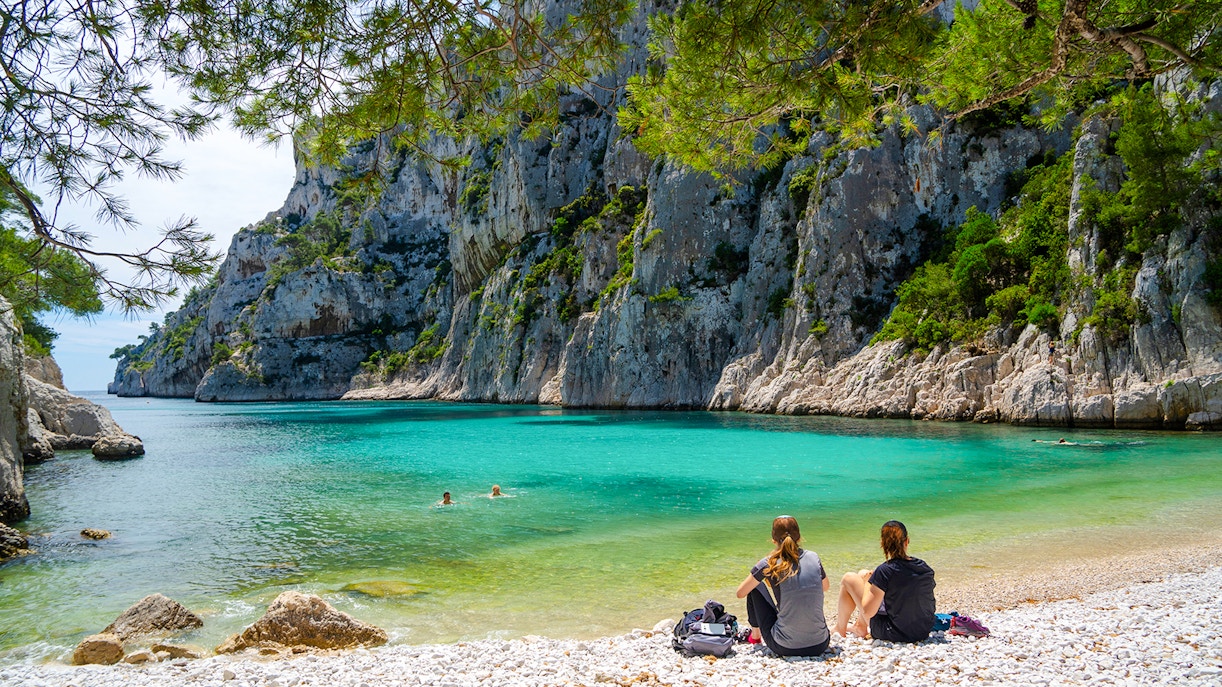
You board in Marseille and spend the first part of the trip leaving the harbor and passing the city's coastal landmarks. The scenery gradually shifts from urban waterfront to dramatic limestone cliffs, turquoise water, and narrow inlets. Depending on the product, the cruise may include swimming stops before returning to Marseille.
The moment most visitors don't expect: The water often turns a striking turquoise color long before reaching the most famous Calanques.
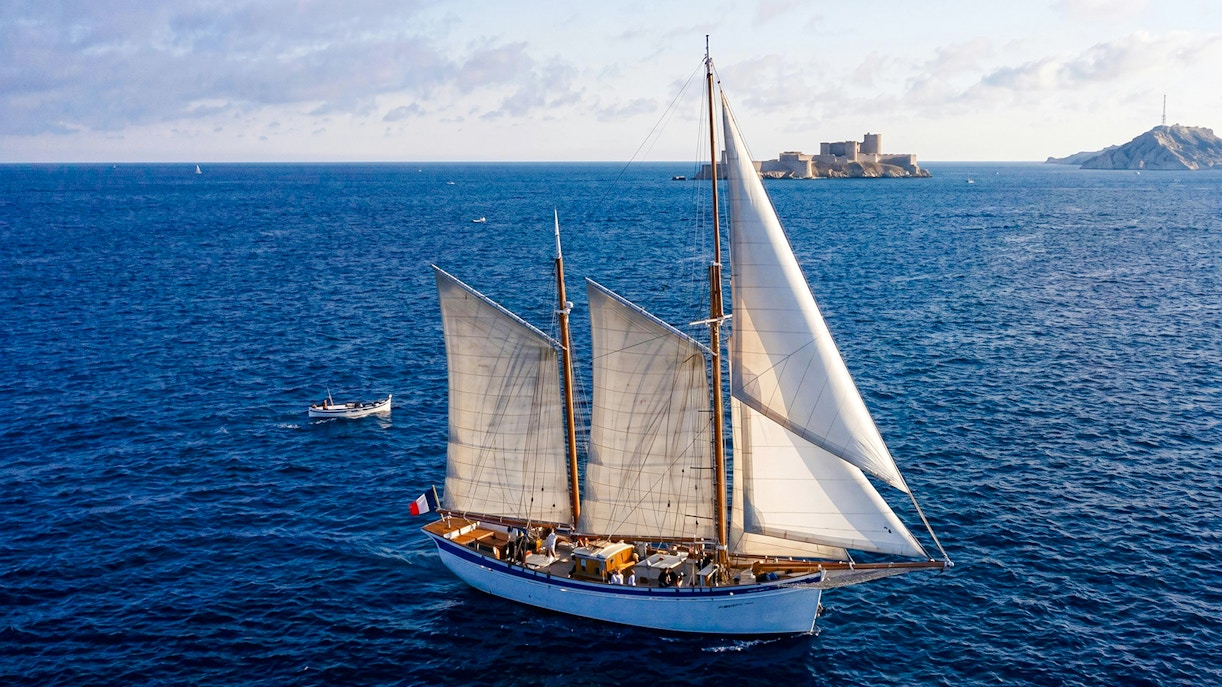
The route heads west toward Marseille's offshore islands. You'll pass or stop at Château d'If before continuing toward the Frioul archipelago. Some products focus on sightseeing, while others allow time for swimming or exploring island coves.
The moment most visitors don't expect: Frioul feels surprisingly remote despite being only a short boat ride from the city.
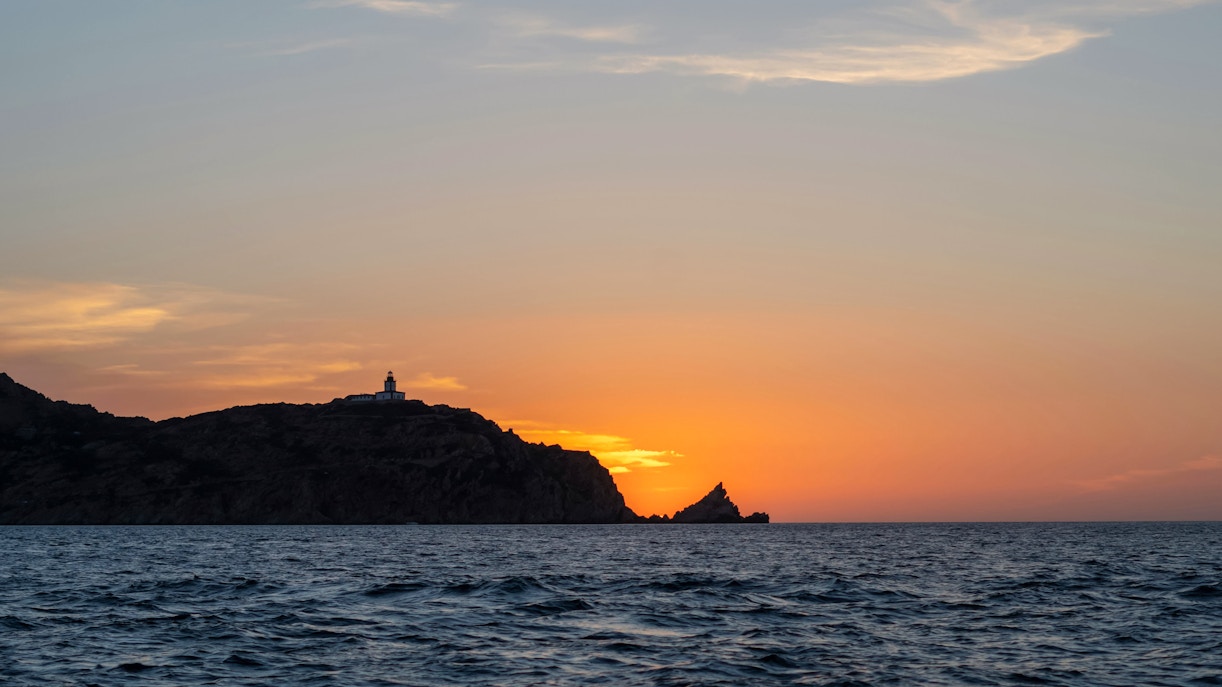
The focus shifts from route coverage to atmosphere. Boats leave in the late afternoon or evening, often following shorter coastal routes while guests enjoy changing light conditions and views of Marseille's skyline. Some cruises include drinks or dinner.
The moment most visitors don't expect: The city looks completely different from the water once the harbor lights begin reflecting across the bay.
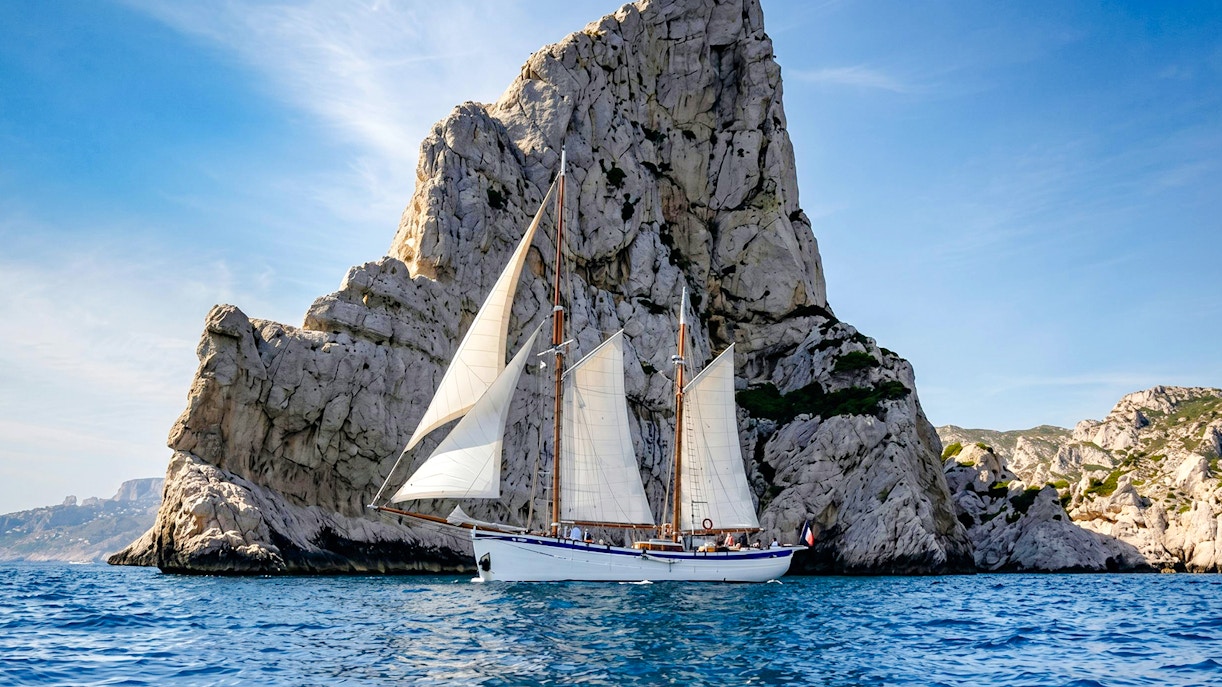
These experiences prioritize time on the water rather than covering the greatest number of landmarks. Expect a slower pace, longer stops, swimming opportunities, and onboard meals on selected departures.
The moment most visitors don't expect: Sailing itself becomes the attraction, not just the destinations.
What to expect on board
Seating
Large sightseeing boats typically offer a mix of open-air and shaded seating. Small-group boats and sailing vessels provide fewer seats but more space per guest. On popular departures, the best open-deck spots fill first.
Food & drinks
Most sightseeing cruises do not include meals. Full-day sailing cruises and sunset dinner cruises may include lunch, dinner, wine, or refreshments depending on the product selected.
Commentary
Commentary varies significantly. Some cruises include skipper commentary, while others provide live narration or route information from crew members. Ferry-style crossings generally focus on transport rather than guiding.
Swimming
Swimming is not included on every Marseille cruise. If this matters to you, choose a cruise that explicitly advertises swim stops. Weather and sea conditions can still affect whether swimming takes place.
Accessibility
Accessibility varies by vessel. Large sightseeing boats tend to be easier to board than smaller motorboats or sailing vessels. Always check the specific vessel before booking.
Seasickness
Longer Calanques routes spend more time on open water and can feel rough on windy days. Larger boats generally provide the smoothest experience.
What you need to know before you board
Rules
- Arrive 20–30 minutes before departure to complete check-in and boarding.
- Some operators restrict large luggage. Store suitcases before arriving at the harbor.
- Weather can affect routes, swimming stops, and Château d'If access.
- Some operators require tickets for children even when they travel free.
Practical tips
- Choose a cruise based on your goal: Calanques scenery, island time, swimming, sunset, or sailing. Most regrets come from booking the wrong cruise type.
- Don't assume a Château d'If cruise includes monument entry. Some only sail past the island.
- Book a swim-stop cruise if water activities matter to you. Not all Calanques routes include swimming.
- If visiting Frioul independently, plan your return ferry before leaving the harbor area.
- Bring motion-sickness support for longer Calanques routes if you're sensitive to rough seas.
What else is worth pairing with Marseille cruises?
1/6
Notre-Dame de la Garde
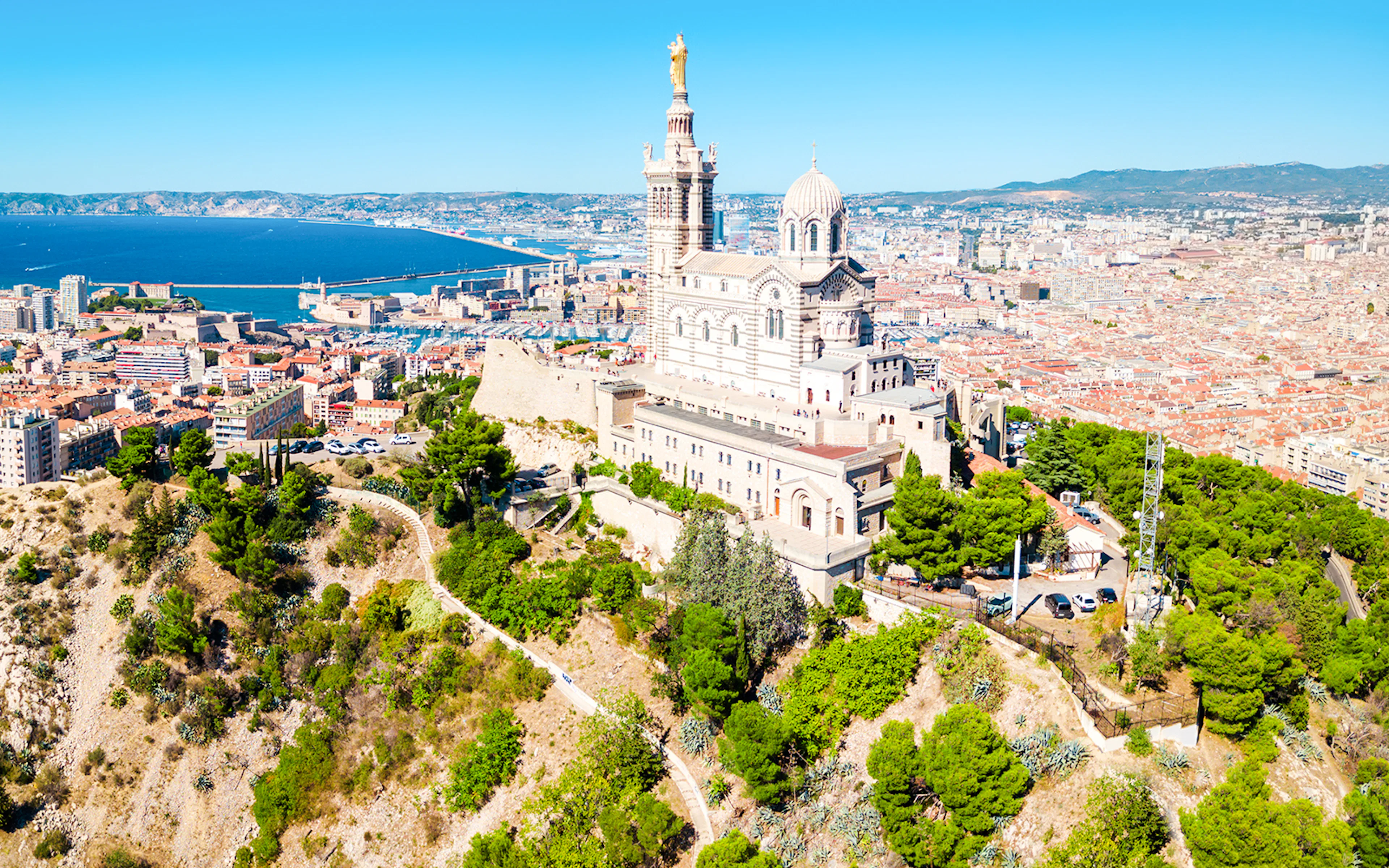
Why people combine it: After seeing Marseille from the water, visitors often head up to the city's hilltop basilica for the reverse view. From here, you can trace the coastline, Frioul Islands, Château d'If, and parts of the Calanques you've just sailed past. It's one of the easiest ways to put Marseille's geography into perspective.
Le Panier
Why people combine it: Just a short walk from Vieux-Port, Le Panier offers a completely different side of Marseille. After hours on the water, visitors swap sea views for colorful alleyways, local cafés, street art, and historic squares. It's an easy addition that doesn't require extra transport.
MuCEM & Fort Saint-Jean
Why people combine it: Most cruises pass these landmarks at the harbor entrance, but seeing them from the water only tells part of the story. Visiting afterward lets you explore the fort's ramparts, waterfront walkways, and museum exhibits while gaining a deeper understanding of Marseille's maritime history.
Château d'If
Why people combine it: Many cruises only sail past the famous island fortress. If the views leave you wanting more, dedicate a few hours to visiting the site itself. You'll be able to explore the prison made famous by The Count of Monte Cristo and enjoy panoramic views back toward Marseille.
Frioul Islands
Why people combine it: If your cruise only circles the archipelago, consider returning for a half-day island visit. Frioul offers walking trails, swimming coves, quiet beaches, and waterfront cafés that are difficult to appreciate from the boat alone. It's one of the easiest island escapes from central Marseille.
Vallon des Auffes
Why people combine it: This small traditional fishing harbor feels worlds away from the busy waterfront despite being only a short distance from the city center. Many visitors stop here after a cruise for coastal photos, seafood restaurants, and one of Marseille's most charming harbor views.
Eat, shop and stay near Marseille cruise departures
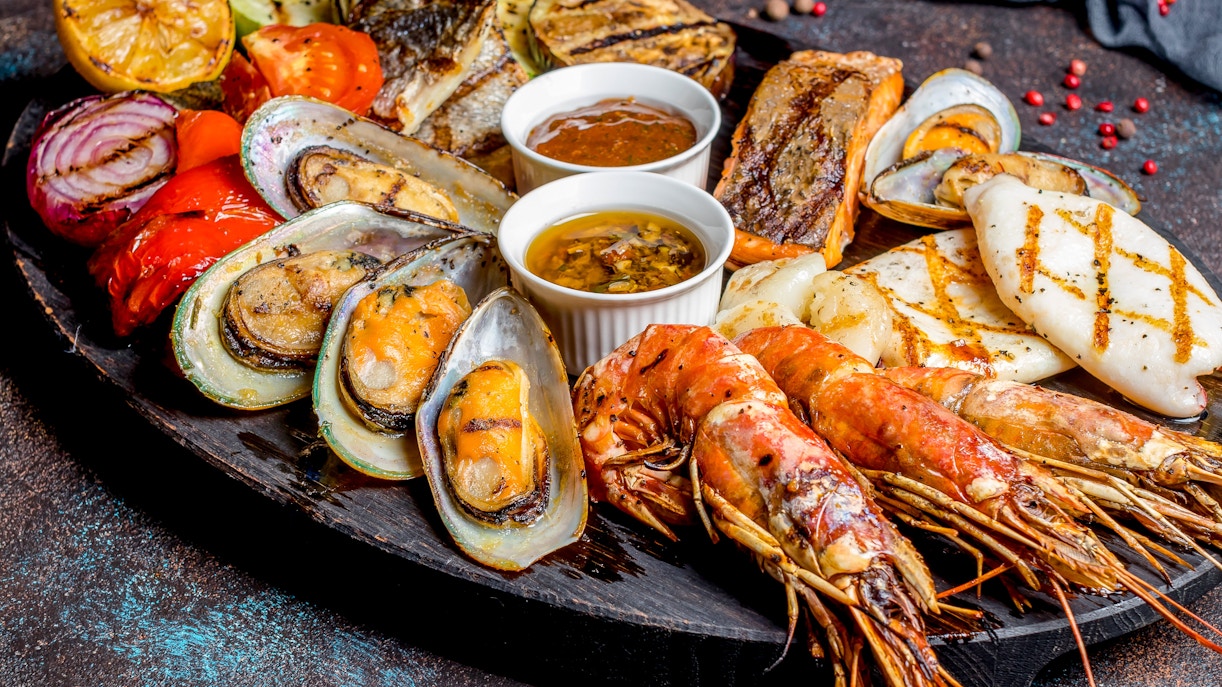
Vieux-Port is the easiest place to eat before or after most Marseille cruises. Choose a quick meal before short afternoon cruises, but save larger seafood lunches for after the boat if your route includes open-water sections. Restaurants around the harbor vary widely in quality, so check recent reviews before committing.
Best timing: Eat after morning cruises or at least 90 minutes before longer Calanques routes.
The streets around Vieux-Port and La Canebière are useful for small essentials before boarding. This is where to pick up motion-sickness bands, a compact towel, or a light layer if you're taking an evening cruise. Avoid buying bulky souvenirs before boarding, as storage space can be limited on boats.
Best timing: Shop before check-in, then head directly to your listed quay.
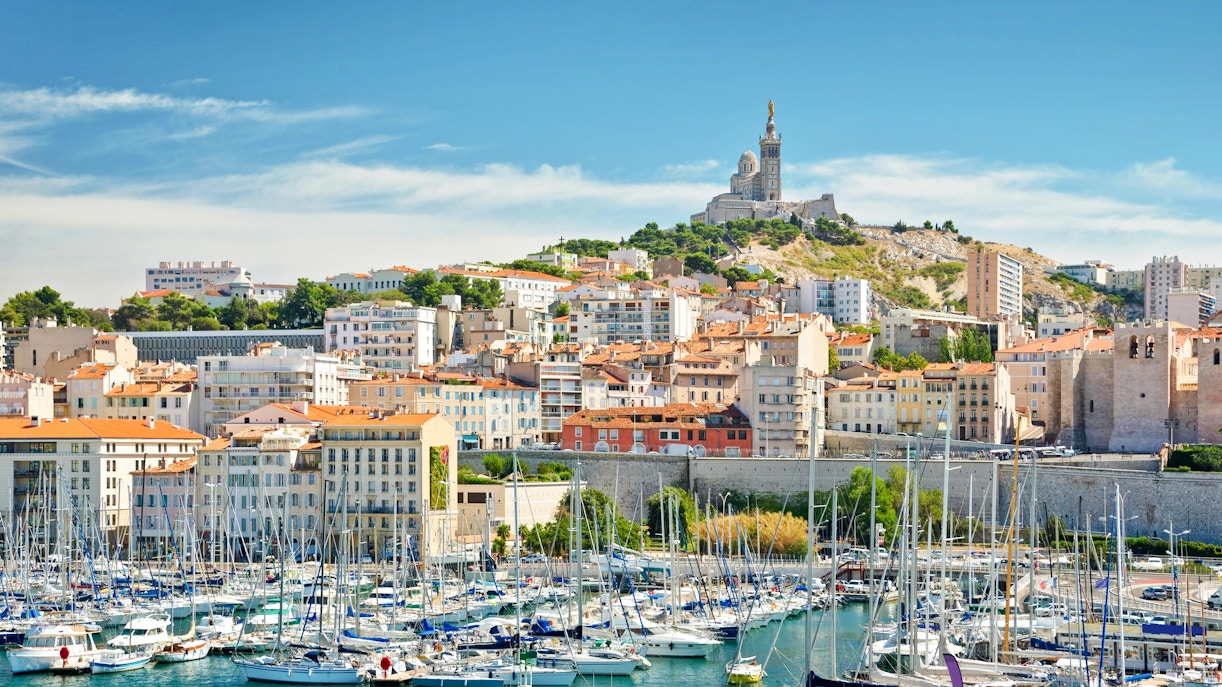
Stay near Vieux-Port if this is your first time in Marseille or if you have a morning cruise. Joliette and La Major work well for MuCEM-side departures and cruise-port visitors. Pointe Rouge is better only if your chosen small-group Calanques cruise starts there.
Consider instead: If your entire trip is Calanques-focused, Cassis may be a better overnight base than central Marseille.
Frequently asked questions about Marseille cruises
Marseille cruises can last anywhere from about 2.5 hours to 7 hours. Shorter routes usually focus on Frioul or nearby coastal scenery, while full-day Calanques and sailing cruises include more time on the water, swim stops, or meals.
Yes, especially for summer, sunset cruises, and small-group boats. Same-day booking may work outside peak season, but July–August departures can sell out quickly, particularly for swimming, dinner, and sailing options.
Morning is best for calmer conditions and clearer photos. Afternoon works better for swimming, while sunset cruises are ideal if you want atmosphere, golden light, and city views rather than maximum route coverage.
Most cruises include the boat ride, crew, and route sightseeing. Meals, wine, snorkeling gear, swim stops, paddleboards, or Château d'If entry are product-specific, so check your ticket details carefully before booking.
This depends on the cruise. Some full-day or dinner cruises include meals and drinks, while shorter sightseeing cruises may not. Avoid assuming outside food or alcohol is allowed unless your ticket confirms it.
Accessibility varies by vessel and boarding point. Larger sightseeing boats may be easier to board, but small-group boats, sailing vessels, islands, and historic sites may involve steps or uneven surfaces. Confirm before booking.
Yes, many cruises are child-friendly, especially shorter Frioul or bay routes. For longer Calanques trips, consider sea conditions, restroom access, swim requirements, and whether children need their own ticket even when traveling free.
For sightseeing cruises, casual clothes and a light layer work well. For swim-stop tours, wear swimwear under your clothes. Evening and dinner cruises can feel cooler offshore, even in summer.
