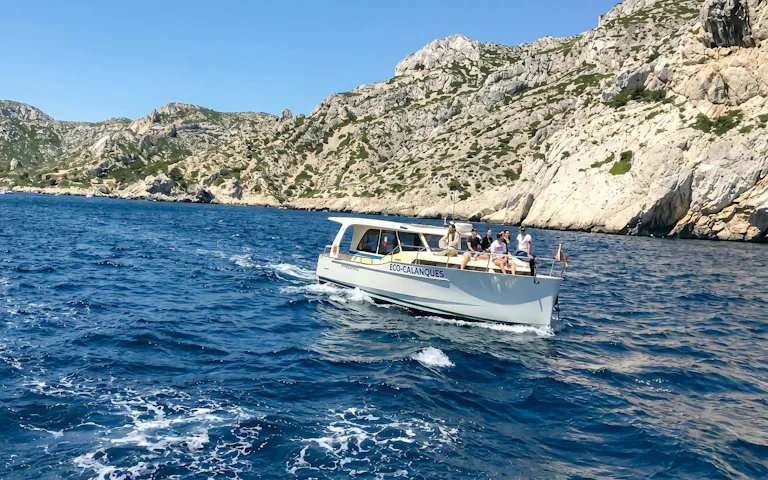
- Most Marseille cruises run in 3 bands: morning departures around 9am–10am, afternoon departures around 2pm, and sunset or dinner cruises around 6pm–7pm.
- Check-in is commonly 15–30 minutes before boarding.
- Swim stops and final routes remain weather-dependent.
These are coastal sightseeing trips that leave from Marseille’s Old Port and show you parts of the shoreline that are hard, or impossible, to appreciate from land. Depending on the route, you board a large sightseeing boat, a traditional sailing vessel, or a small hybrid-electric boat, then head toward the Calanques, the Frioul archipelago, and Château d’If. Marseille cruises range from short morning outings to full-day sails and sunset dinner departures. What sets Marseille apart is the combination of protected limestone inlets, literary landmarks, and working-port views in a single journey. This guide helps you understand which format suits you, what happens on board, and what details matter before you book!
Why take a cruise in Marseille?
1/4
The Calanques make more sense from sea level
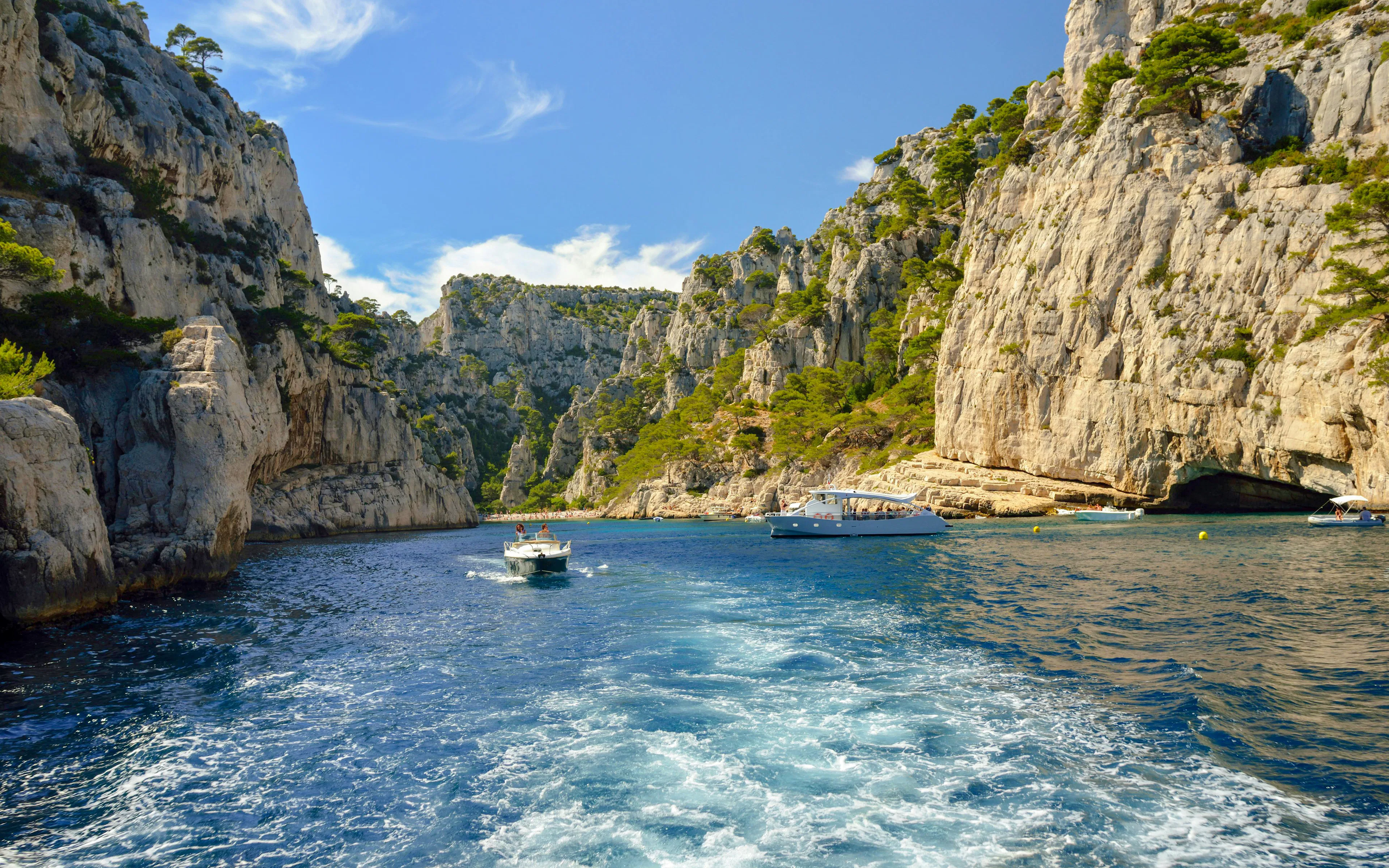
The limestone walls and narrow inlets of the Calanques were shaped to be entered from the water, not viewed from a roadside lookout. You understand their scale only when the boat slows below the cliff line.
One route combines nature, islands, and city views
On many Marseille departures, you leave a working historic harbor, pass 16th-century forts, circle Château d’If, and continue toward the Frioul islands or the Calanques. Few city cruises change scenery this quickly.
Small-group options change the feel of the trip
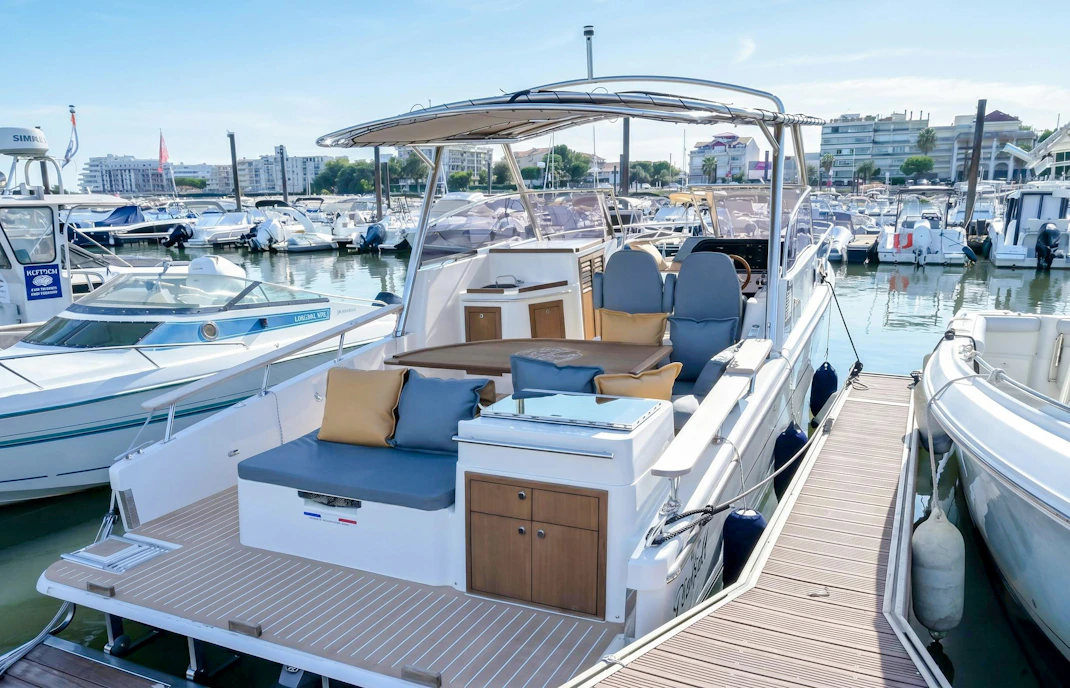
On smaller departures, commentary is easier to follow, swim stops feel more relaxed, and there's more space to enjoy the scenery. Hybrid-electric boats also reduce engine noise, making the cliffs, coves, and coastline feel noticeably more immersive.
Weather matters more here than most visitors expect
Strong winds and rough seas can change the route, cancel swim stops, or prevent landings at exposed spots. If you only have one free slot in Marseille, keep some backup time in case the cruise is changed or canceled.
Plan your visit to cruises in Marseille
Timetable
When to travel
- May, June, and September are the strongest months for visibility, warm water, and lower pressure on boats than July and August.
- If you want calmer seas and better photo light, choose a morning departure.
- If you care more about atmosphere than maximum coastline coverage, book a sunset sailing or dinner cruise.
Where to board
- Most departures leave from Marseille’s Old Port, within walking distance of Vieux-Port Hôtel de Ville metro station.
- While exact boarding points vary by operator, check your ticket confirmation carefully.
What you see along the route
Departure from the Old Port
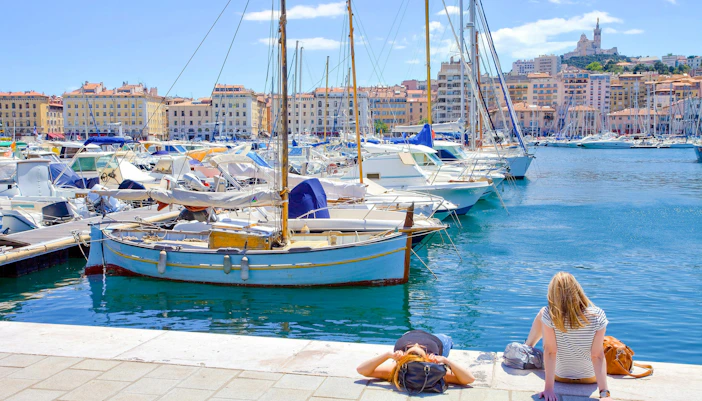
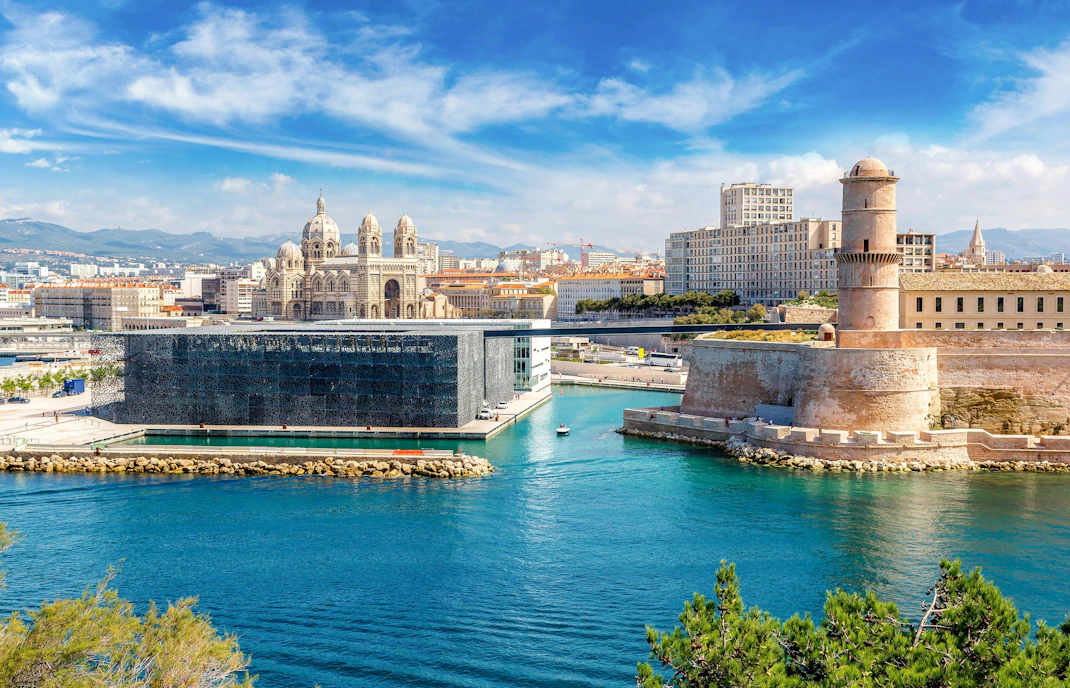
You begin in a busy harbor rather than a resort marina. Fishing boats, ferries, sailboats, and waterfront cafés frame the first minutes, then the boat turns past Fort Saint-Jean and Fort Saint-Nicolas toward open water. This transition is part of the appeal: you move from dense city fabric to exposed Mediterranean coast almost immediately. If you want skyline photos, stay on deck for the first 10 minutes.
The harbor forts and city skyline
As the harbor opens, Marseille reads clearly from the sea. You see La Major’s dome, the MuCEM footbridge, and Notre-Dame de la Garde above the ridgeline. On larger boats this is often when commentary starts; on smaller ones, you can usually ask questions directly. Sit or stand on the side facing back toward the city for the cleanest panorama before the route turns islandward.
Château d’If and the Frioul passage
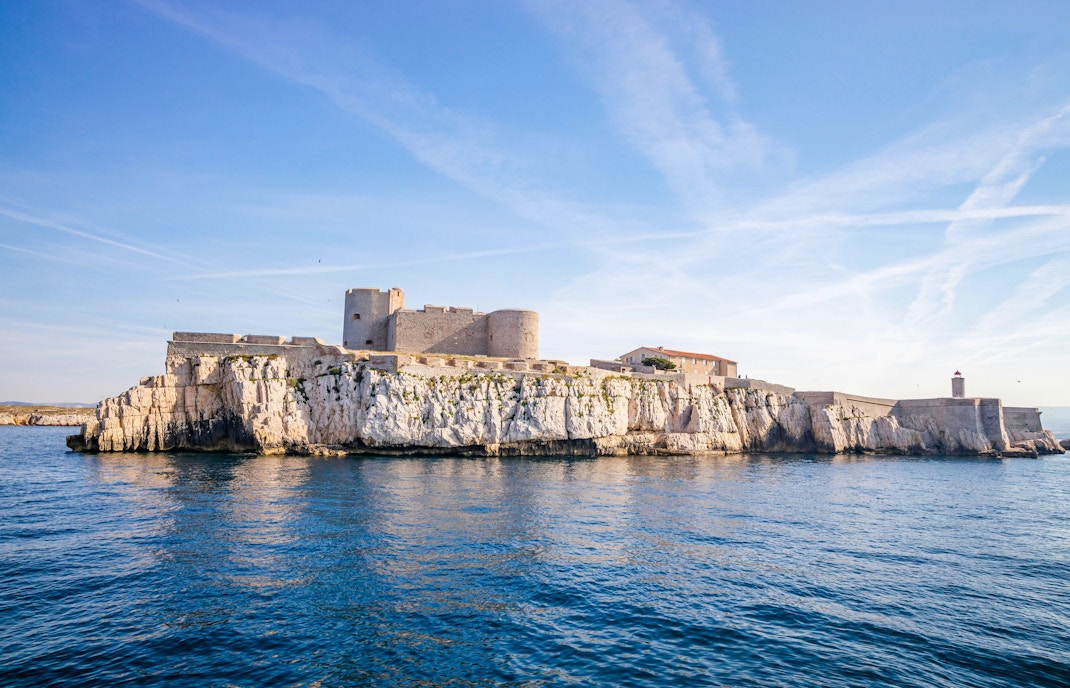
Most island-focused routes pass the stone mass of Château d’If before threading toward the Frioul archipelago. From the water, the fortress looks less like a museum stop and more like an isolated sea prison, which explains its literary afterlife in The Count of Monte Cristo. On quieter boats, this is often the most atmospheric section of the trip. Keep a layer handy even in summer; wind picks up once you clear the harbor mouth.
The swim cove or calanque stop
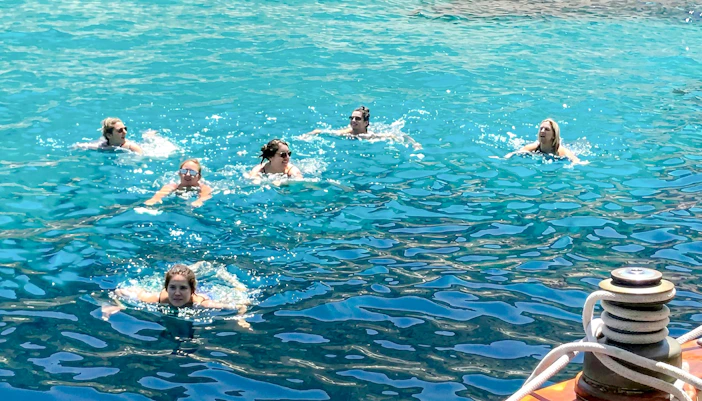
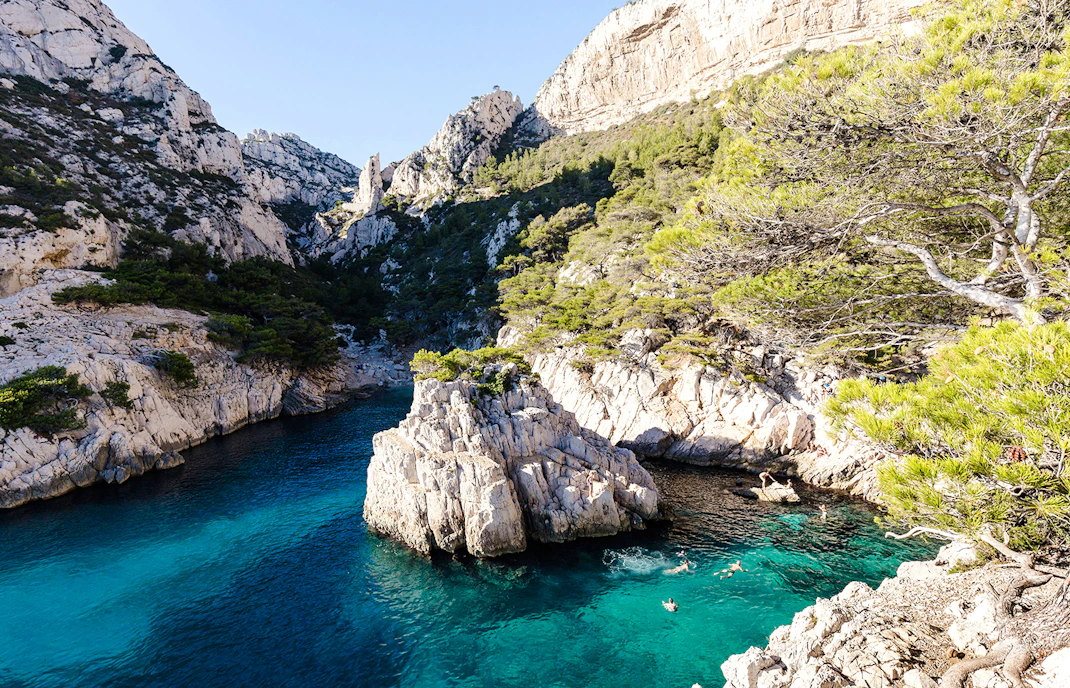
On cruises that include swimming, the captain anchors in a sheltered cove rather than at a beach. You climb down, enter directly from the boat, and swim in clear water over rock and seagrass rather than sand. Masks and snorkels are often included, but towels and swimwear are not. If you are boarding mainly for the swim, confirm that your selected cruise includes it rather than assuming all routes do.
What to know before you book
Need to know
- Boarding can involve steps, gangways, or a ladder; reduced-mobility access is easier on larger sightseeing boats than on small sailing or hybrid-electric departures.
- Swimwear and towels are commonly not included, even on cruises with swim stops and snorkel gear.
- Some operators require a medical certificate after 6 months of pregnancy, and ask you to contact them in advance for high-risk pregnancies or infants under 1 year old.
- Route changes for wind or sea conditions do happen, and a swim stop or island pass is not guaranteed on every departure.
Worth knowing
- If you want the quietest format, book a hybrid-electric departure rather than a standard sightseeing boat.
- Full-day sails with lunch and Provence rosé change the pace of the day completely; they are not just longer versions of a harbor cruise.
- If the weather is unsettled, book the earliest available departure in your Marseille stay so you still have room to rebook.
Frequently asked questions about Marseille cruises
Many of the Calanques are difficult to reach by road and can require long hikes. A cruise lets you see multiple coves, cliffs, and inlets in a single trip while viewing them from their most dramatic angle, the sea.
Marseille combines a historic working harbor, offshore islands, and a national park coastline in one destination. Few European cities offer city landmarks, island visits, and protected natural scenery within the same cruise route.
Château d'If is best known as the setting of Alexandre Dumas' The Count of Monte Cristo. Originally built as a fortress and later used as a prison, it remains one of Marseille's most recognizable landmarks.
The Frioul Islands are known for their rocky landscapes, clear swimming coves, walking trails, and quieter atmosphere. They offer a very different experience from central Marseille despite being only a short boat ride away.
The Riou Archipelago is a protected group of islands off the Marseille coast. Many longer cruises pass through the area, where visitors can see rugged landscapes, seabird habitats, and some of the wildest scenery in the national park.
The bright blue and turquoise colors come from clear Mediterranean waters, pale limestone seabeds, and strong sunlight. These conditions are especially noticeable around the Calanques and Frioul Islands.
Yes. Many routes offer excellent views of Notre-Dame de la Garde rising above Marseille's skyline. The basilica is often one of the most photographed landmarks on departure and return.
Yes. The Calanques form part of Calanques National Park, a protected area of cliffs, coves, islands, and marine habitats stretching between Marseille and Cassis.
Depending on the route and season, you may spot seabirds, fish, and marine life around the islands and coves. Protected waters around the Calanques and Riou Archipelago support diverse Mediterranean ecosystems.