Marseille Billets

Quick Information

ADDRESS

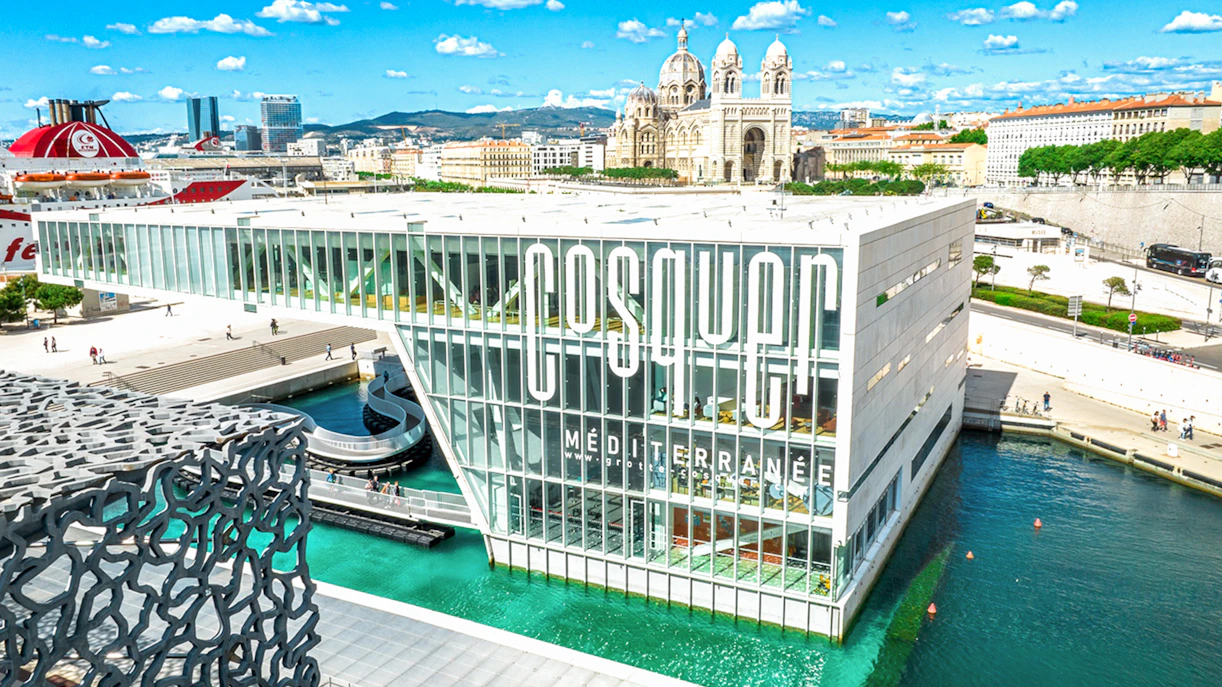
Promenade Robert Laffont, Esp. J4, 13002 Marseille, France

Plan your visit

Did you know?

The real Cosquer Cave was discovered by professional diver Henri Cosquer in 1985, but its location stayed secret until an accident in 1991 forced official reporting.

The decorated parts of the original cave lie between about -37 m and -15 m relative to today’s sea surface, showing how post-glacial sea-level rise drowned land that was once dry.

Cosquer’s art includes rare depictions of marine animals such as seals, fish, and penguin-like great auks, subjects that are unusual in European cave art.

Is Cosquer Cave worth visiting?

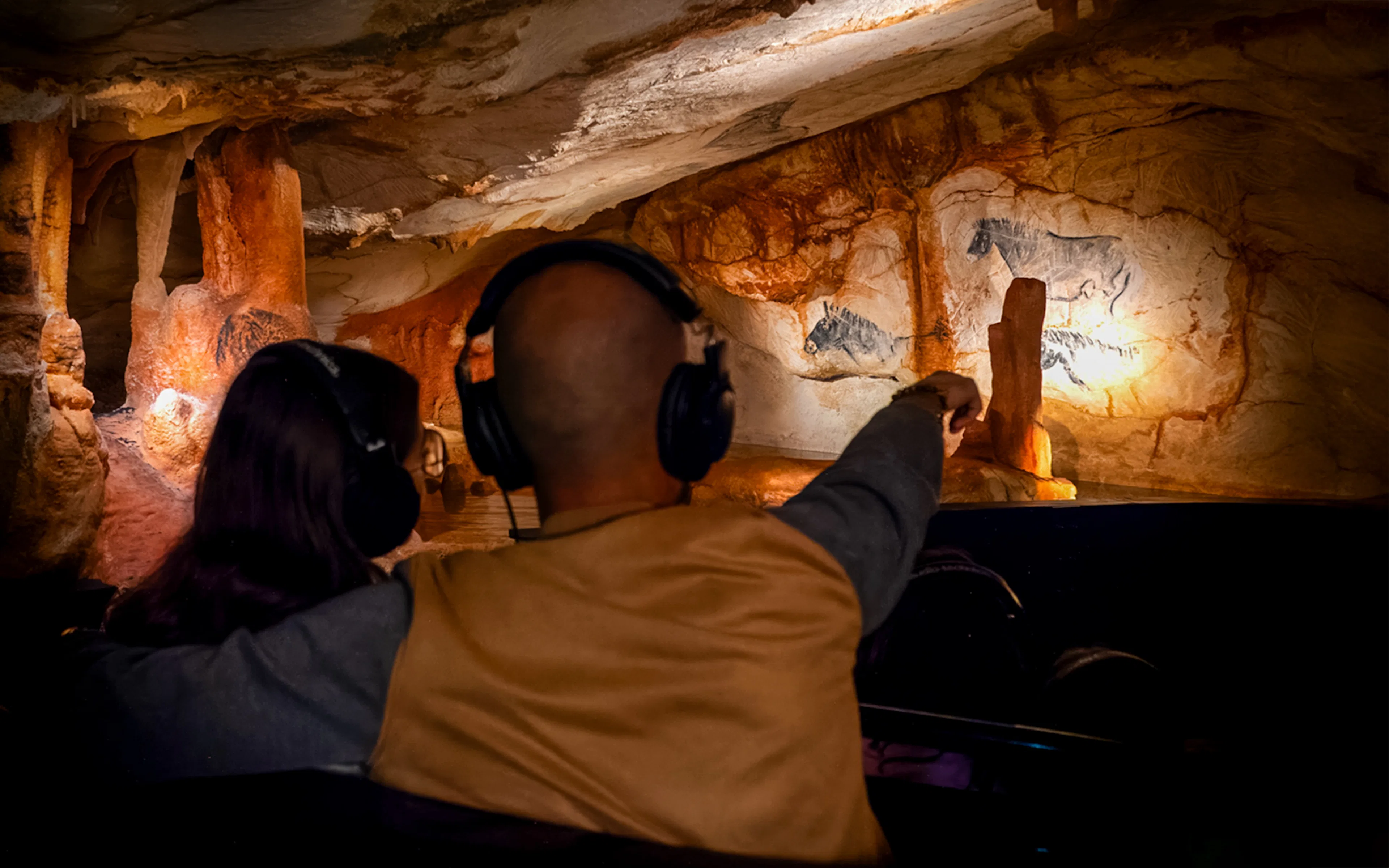
The light drops, your six-seat module glides forward, and the city disappears. Rock walls narrow, handprints flash in the beam, and the silence changes the pace of your visit. It feels less like a museum and more like entering borrowed time.

The original Cosquer Cave lies underwater near Marseille, so this replica was created to protect a fragile Ice Age site while making its art legible to the public. That matters because the paintings include rare marine animals almost never seen in cave art.

The payoff is intimacy, not scale. These are breath-close images left by people who knew this coastline before the sea rose. You leave with the unsettling sense that prehistory here was not abstract or distant, but local, human, and coastal.

Skip it if: you dislike dark, enclosed spaces or are traveling with children under 3, who cannot take the cave tour.

What to see at Cosquer Cave?

Exploration module at Cosquer Cave
1/6

The descent and exploration module

Your visit begins with a staged ‘dive’ below sea level, then a slow ride in a six-person vehicle. It sets the rhythm of the whole experience and makes the cave feel physically separate from the city.

The marine animal panels

Look for seals, fish, and great auks — imagery almost never seen in prehistoric caves. These coastal animals explain why Cosquer feels different from inland sites such as Lascaux or Chauvet.

The handprint chambers

Black and ochre hand stencils cluster along the walls, giving the cave its most intimate moments. They read less like decoration and more like evidence of individual bodies moving through the space.

The grand shaft

This dramatic chamber evokes the flooded heart of the original cave. The lighting emphasizes depth, height, and the precarious relationship between dry passageways and the sea beyond.

Horse, bison, and ibex figures

Beyond the marine imagery, the cave also preserves powerful land animals drawn with confident lines. The ceiling horses and large herbivores show how varied the cave’s image-making really was.

The Mediterranean Gallery

Do not rush out after the ride. The life-size Ice Age animals and discovery exhibits give scale to the artwork, and most visitors need at least 20–30 extra minutes here.

How to explore Cosquer Cave

Visit strategy

Time needed: Budget 90 minutes if you want the cave ride and a brisk pass through the exhibits, or 2–2.5 hours if you plan to linger in the discovery spaces and Mediterranean Gallery. The variation comes less from walking distance than from how long you spend listening to the audio and reading the post-ride interpretation.

Walking route: Start with your timed entry and treat the vehicle ride as the anchor, not the finale. It gives you the visual language of the site first, which makes the upper-level exhibits easier to understand afterward. Once you emerge, move through the discovery displays before finishing in the fauna gallery, where the scale of the animals helps the drawings click into place.

Must-see: the handprint chambers, the marine animal panels, and the Mediterranean Gallery.

Optional: The documentary displays and café terrace, which add context and a breather, for about 20–30 minutes. Self-paced works especially well here because the synchronized audio guide handles the core storytelling; a separate guide adds less value than it would at a more open-ended archaeological site.

Brief history of Cosquer Cave

  • 1985: Diver Henri Cosquer discovers the underwater entrance near Cap Morgiou, about 37 m below sea level.
  • 1991: The decorated cave is officially revealed, and archaeologists begin documenting its Paleolithic paintings, engravings, and hand stencils.
  • 1990s: Researchers identify more than 400 artworks, including rare marine animals such as seals and great auks.
  • 2000s: Rising sea levels and the cave’s fragile condition make public access impossible and strengthen the case for a full-scale replica.
  • 2022: Cosquer Méditerranée opens on Marseille’s waterfront, recreating the cave through an immersive vehicle-based visit.
  • Today: The replica lets visitors experience one of Europe’s most unusual prehistoric art sites without endangering the original cave.

Who built it?

Henri Cosquer did not create the paintings, but his 1985 discovery made the site visible to the modern world. The replica that bears his name exists because that find revealed an underwater cave too fragile for public access, prompting regional authorities and heritage specialists to recreate it on land.

Why the replica matters

Cosquer is also a preservation story. The original cave’s entrance sits about 37m (121 ft) below today’s sea level, and each rise in the Mediterranean narrows the margin for protecting the authentic site. That is why the replica matters beyond convenience: it shifts pressure away from a fragile monument while still letting visitors understand its geography, scale, and imagery. In practical terms, you are not seeing a simplified theme-park version of prehistory, but a conservation response to a place that cannot safely absorb mass tourism.

Frequently asked questions about Cosquer Cave

Yes, especially if you want one Marseille attraction that feels genuinely unlike the city’s churches, forts, and markets.